
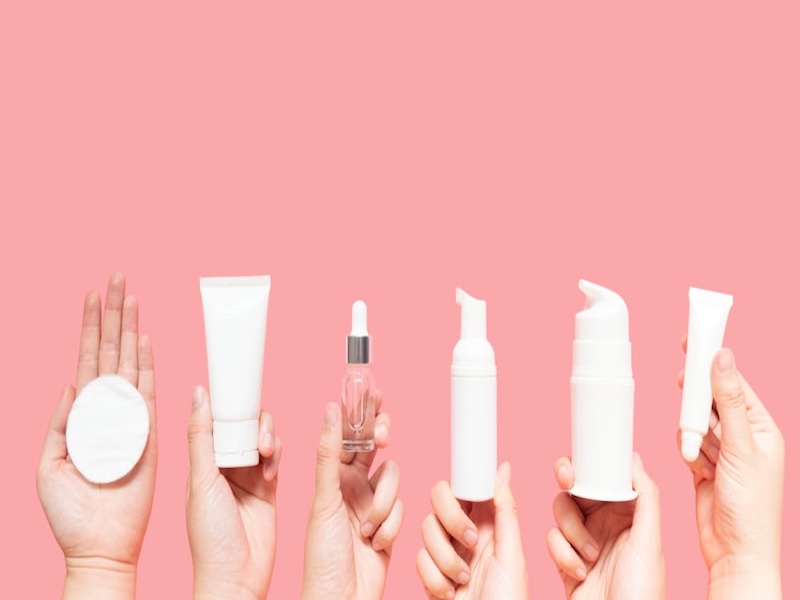
Kids are engaging in cosplay: They’re playing the role of adults, more than ever before. The effect is the blurring of the boundaries between what separates an adult from a child.
The number of kids frequenting toy stores has sharply decreased in recent times. This gets even stranger when considering the fact that recent toy sales for adults-only households are up by 16%, outgrowing households with children.
-In short, 60% of toy sales for the first half of this year can be attributed to adults and teens.
This demographic reflects on how adults and teens are propping up an otherwise decaying industry as kids show less and less interest in toys. What is going on here?
Kids staring at screens
Be it through an iPad or iPhone… more and more kids are spending much of their time consuming content through electronic devices. For instance, they are looking at hygiene and skin care content, -products aimed at adults rather than kids on platforms like TikTok.
Very young boys and girls alike are getting the latest skin care brands while having a greater knowledge of the ingredients than their parents. -But, they’re only kids, having what you might call brand-new skin. They don’t need these products!
Further, many of these kids avidly follow the online routine tips and tricks in regard to these hygiene and skin care products. Not atypical, there was one young teen lad who made a TikTok post, using himself as the subject, on how to apply a fragrance brand from a well-known high-end company after using a cleaning soap…
Walking down the shopping isles there have been many reports of parents getting forever nagged by their kids persuading their parents to buy certain scents, soaps, creams, lip balm, body washes, or body sprays… etc.. Some of these youngsters have bigger collections of these products than their parents. And many have a greater knowledge.
Divided opinions
The reactions of this have been divided. Comments have been in support, while others have expressed their objection. Comments include, “These kids are too young to be spending their time on these products.” Or, “Why are the stupid parents buying these things for their kids? “Why are they going along with it?” Someone remarked, “Kids don’t kid anymore…”
It doesn’t end there
And it doesn’t end there. For instance, care of TikTok influencers, young girls are using products such as retinols or acids, -something that’s normally applied on the skins of fifty-year-olds.
One thirteen-year-old girl had an adverse reaction to an antiviral skin care, coming out with blistering on her face. -The effects from a product she didn’t need!
A four-year-old used a retinol toner to which, she was told not to use. -Once again, these kids don’t need these things as they already have perfect new skin! Do they even know at this age what skincare actually is??
-So much for the hours we spent when we were kids building with Lego, playing board games, or making mud pies, playing endless hours of sport through whatever means we could improvise on…etc..
What’s happening today with their childhood?!
Marketing
Quite simply, at the end of the day, it’s all down to marketing. Therein lies the problem. These products, many unnecessary, are being bought due to clever marketing.
Many of the high-end products are a rip-off. As someone who worked in the cosmetics industry remarked, “You can have 2 shampoos, each having different labels, one costs $18 while the other is $7, but they are the same shampoo.” -Price disparity is not atypical when comparing self-care products within and across major cosmetics companies.
Ultimately, marketers are only interested in how many of their products they can sell you. Yes, it’s all about profits. -Kids are doing just what they want them to do, consume, consume and… consume.
One certain company was made well-aware of a Sephora skincare brand of theirs that was getting more than its fair share of attention from seven-year-olds, and its consumption. As a consequence, they came up with a product range of these products for children.
This dramatic increase of child consumption for these product types effectively is a cultural shift that’s far from having reached its saturation point. The BBC reports that the baby and child skincare market is increasing by nearly 8% a year.
-Do these marketers have any shame?? They want these targeted toddlers, juniors and teenagers to be lifelong consumers..
“Sephora kids” bill
In 2025 a bill (Assembly Bill 728) was proposed in California to prevent the sales of “anti-aging” products such as those containing retinol and harsh acids to kids. The “Sephora kids” bill was intended to hit the industry suppliers and stop their targeting of kids.
It proposed that the sales of these products could only be bought by those who are over 18 years old when in-store: Online purchases would be granted through age verification.
However, the skincare industry campaigned against this bill. The upshot was that the bill was prevented by the politicians involved.
On a brighter note, in August this year, there was a monumental victory for parents.
A landmark settlement was made, covering 47 states, the District of Columbia and U.S. territories. The agreement was made for Meta to pay up $171 million in penalties, based on social media addiction claims and harms to children as users. This includes harms to their mental and physical health.
The costs
Consider the money the parents (or relatives) have to come up with to buy these self-care and cosmetics products for their children. Then there’s the costs of meta glasses, iPhones and iPads…
-These kids are getting bombarded with influencers. The result is that they now want to become social media influencers themselves. Hence the demand and use for the above-related products.
-Herein lies a problem. With over 60% of middle and high school students wanting to be influencers there is a price to pay for this oversubscribed profession. In their limited view of life, many cannot see the downsides. -They don’t realize that only a relatively very small number of them will make it in this profession.
There are a number of costs affecting the young generation. These costs have been pointed out by teachers and others who have worked with kids day in day out and studied their behaviors:
Because of children’s unlimited internet access they:
1. Really believe that they don’t need education because they think they are going to be influencers (streamers, YouTubers…) when they grow up.
2. Don’t know how to deal with boredom. For examples, they do not have the ability to make up games, paint or draw…
3. Have to look up Google or see Chat GPT to see how to play, as they have lost the imagination to be creatively, spontaneously playful…
4. Are affecting the costs in relation to consumerism. Not just parents, society is bringing up little consumers instead of future functioning adults.
-No wonder many Big Tech bosses don’t allow their children to use the apps or devices that they had a hand in building! If these apps or devices are not considered appropriate for their children, then why shouldn’t other parents think the same way for their kids?
Finally
What’s happening to kids today is an epidemic of child neglect, and it’s being normalized. Parents are not putting the brakes on: They’re letting their kids do whatever they want. Sure, kids like to imitate their parents, but the parent needs to discipline the child where appropriate. After all, in the long run, it’s for the child’s own good.