
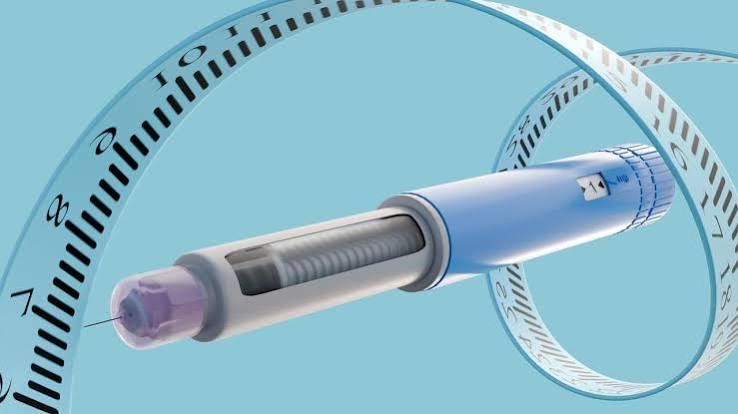
GLP-1 (glucagon-like peptide) weight loss drugs in recent years have become a medical, Big Pharma “gold rush.” They have evolved into a multi-billion dollar money spinner. Openly touted by celebs, described as game changers in the mainstream media, there has been a world-wide obsession with these drugs.
However, the popularity of fat-dissolving, body transforming GLP-1 weight loss drugs have been marred by their unforeseen effects harmful to health.
Over time, people frequently taking GLP-1 drugs such as Ozempic, Saxenda, Wegovy, Zepbound… have developed hollowing cheeks, sagging skin and the widely-known term called “Ozempic face,” associated with an accelerated aging appearance.
Worst of all, while the focus of attention was only given to the external physical effects, something terrifying was happening internally with the body. GLP-1 drugs were having damaging effects on internal organs and their related physiological functioning.
These effects include gastrointestinal intestinal disorders, extreme long-term diarrhea, severe vomiting, appetite loss, kidney damage, threats to thyroid integrity and cancer risk, vision impairment (retinopathy) due to uncontrolled fluctuations in blood sugar levels.
Further internal effects include taking control of baseline operations in the brain, brittle bones… The list goes on.
-Big Pharma basically claimed that these effects were temporary: That these attacks would only happen at the beginning of taking GLP-1 drugs. As your body changes through weight loss, you would get used to the drugs and adapt, no longer be affected…
-However, these Big Pharma claims are falling apart. Countless numbers have had their lives shattered through ill-health, caused by taking GLP-1 drugs.
As a result, the number of lawsuits, claims filed against Big Pharma weight loss manufacturers sky-rocketed. There are now some 10,000 plus lawsuit actions in progress. Take, for instance, Novo Nordisk. In their legal reckoning, they stand to pay out around $2 billion in GLP-1 damages. And it won’t end there for them…
Serious systemic health concerns
More and more serious health damages come to surface. Premature, accelerated bone deterioration (hyper-accelerated aging) being one of them. There have been cases whereby young people, such as a woman in her twenties who was told by her doctor that she now has the bones of a seventy year-old due to the effects of GLP-1 drugs.
These drugs, in effect, are made to slow down digestion and digestive processes. In relation to this, one of the side-effects is stomach paralysis. The drug slows the metabolic digestive processes down to such an extent that many users experience stomach paralysis. -The digestive system stops working as it has been slowed down to the point of standstill. Hence, this could lead to starvation and malnutrition.
Other cases in relation to these weight loss drugs have been linked to organ failure, brain disorders driven by vitamin deficiency, and blindness…
In the case of blindness; basically, the individual has an eye stroke through the GLP-1 drugs: This eye stroke is caused by a sudden decline in the affected person’s blood pressure or blood flow that supplies the optic nerve. Both eyes can be affected, leading to irreversible blindness.
Where were the warning signs?? -All this because people simply wanted to lose weight. What a terrible price to pay.
Cheaper black market GLP-1 weight loss drugs
To make matters worse, adding to the risk, there are black market GLP-1 weight loss drugs. Named “compounded GLP-1’s,” they may be 75% cheaper, but these copycat alternatives also come with a health risk. Some of the products are unregulated. A number of those injected have found themselves rushed to hospital due to their adverse effects.
-Again, as with both non-compounded and compounded GLP-1’s, the mainstream media doesn’t exactly go out of its way to warn you. They are too busy taking large revenues from Big Pharma manufacturers in advertising. So they don’t want to expose the side-effects, fearing that Big Pharma’s advertising revenue could then be in jeopardy.
Giving up these drugs
What many don’t realize is that these drugs are addictive: These drugs may be quite difficult to give up when no longer needed. Further, those who no longer take the drugs may regain their weight. Appetite significantly increases, blood pressure rises, LDL (low-density lipoprotein “bad cholesterol”) increases…
In other words, these individuals could end up with worse health than when they began taking the drugs.
Is it worth it?
Considering the risks associated with weight loss drugs, is it really worth undergoing the treatment? There are alternative approaches. Disciplined diet and lifestyle may be extremely difficult for some, but, if you are looking to lose weight, do not despair. There are alternative, naturopathic resources with their related approaches.
For example, control of healthy gut bacteria can make quite a difference to one’s weight control. The balance of healthy intestinal gut bacteria in the body is a massive underestimated factor.
It is strongly encouraged to do your own due diligence and get professional healthcare guidance on this. A number of superfoods could be well recommended for gut health…
For instance, the beneficial bacteria in the food kimchi has been found to be linked to healthier gut health and subsequent weight loss. The distilled version, concentrated beneficial bacteria extracted from kimchi is available as capsules…
Research has shown that kimchi has been known to decrease body fat by a whopping great 31.8%. It also reduces gut bloating, as the bad bacteria are gotten rid of.
Finally
Obesity is not necessarily a totality of ill health. -It’s just a sign of health status, as something can be done. Gut health is a greatly underestimated factor influencing health.