
Be it in the Middle East or Europe, war-based conflicts and their effects; food and energy supply restrictions accompanying shocking price increases are nothing new. Many of us have learned to adapt. Same goes for extreme weather conditions blighting harvests…
However, because these 3 factors; food scarcity, energy shortages and extreme weather are happening all at once, this poses a major threat to our survival. Each individual threat is amplified by the other 2.
Factor 1. Global food market challenges
As we go through the remaining months for 2026, there are continuing inadequate supplies of fertilizer, fuel and grain. Then there’s the escalating El Niño (extreme weather) hitting the food system.
The FAO (Food and Agriculture Organization) provided evidence showing that average food costs per basket last August were at their highest level for nearly 4 years. Collectively, major commodities; wheat, sugar and vegetable oils all rang up a higher than before price.
The strains of trying to keep cost pressures down in supermarkets are starting to give way…
Underlying driving forces
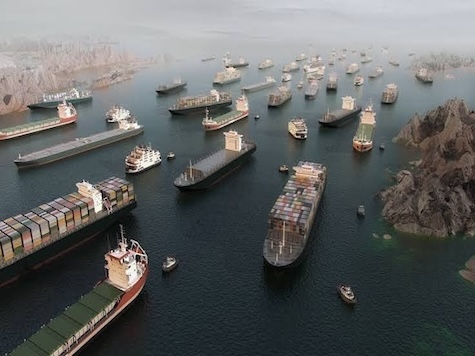
War-driven influences affecting the closing of the Strait of Hormuz have contributed significantly to global fertilizer supplies. Millions of tons of phosphate and urea fertilizers cannot be shipped out to countries such as the USA requiring these essentials.
The consequences for this include price-doubling nitrogen-rich urea fertilizer. Fortunately, the price has recently come down, as shipment supplies have been made through bypassing the Strait of Hormuz.
However, the Word Bank predicts that fertilizers in general will soon increase by another 38%. Farmers with their stockpile buffer in anticipation of the impacts of the Middle East conflict is running lower and lower. If the Strait of Hormuz does not open then their supplies will no longer exist.
-Just this alone could have serious repercussions for people all over the world in relation to obtaining food and the rising prices due to scarcity.
Factor 2. Energy supplies oil and gas
There currently is a restriction in oil and gas supplies which could turn into a serious out of control crisis if things escalate. This doesn’t just add to factor 1 food challenges (above), it greatly intensifies the overall situation.
For instance, on the market, diesel fuel is under tight, strict control. Diesel has been affected by the near-closure of the strait of Hormuz. Then there’s the hampering of shipping movements of crude and refined oil products out from the Gulf.
Sustained Ukrainian strikes on Russian oil refineries has had the effect of reducing crude oil production by around 60%. This output reduction has made supplies at their lowest level since a couple of decades ago. Consequently, Moscow has chosen to restrict diesel and petrol exports to protect home country markets.
US diesel is up by roughly over 50% in comparison with this time last year. Besides Western World countries like the UK, Asian countries such as Singapore, Thailand and Vietnam have also been similarly affected.
Remember, diesel is required to run farm equipment, tractors, irrigation pumps, trucks… necessary for harvesting and watering crops. Then there’s the diesel needed to transport fertilizers and grains…
-Scarcity ensues, costs are significantly on the up.
Factor 3. El Niño
Not geopolitical, the 3rd factor is weather-related. El Niño has the same potential for devastation as the other 2 factors.
El Niño with its climate conditions; soaring high temperatures and drought periods has affected food supplies. Areas in the Asia-Pacific region have been the most affected. The El Niño climate phenomenon affects, for example, corn and rice farming production. Due to a lack of irrigation during the drought, output has dropped greatly.
Australian farmers have been hampered by this weather condition. Their typical wheat output has dropped by over a third this season.
Ukraine’s grain supplies blockaded at the Black Sea
Another compounding driving force to add to the above list is the blockading of Ukraine’s shipping supplies of grains at the Black Sea ports. Attacks between Ukraine and Russia have escalated. Both countries continue to attack each other over grain supplies.
Because of this choking of grains supplies from the world’s biggest suppliers, wheat costs all over the world have experienced the knock on effects of food scarcity: Wheat prices have risen by about 25%.
Finally
The fact that all the above factors are occurring all at once, food, and energy shortages, El Niño weather conditions, the war on grain supplies between Ukraine and Russia makes the whole situation a compounding poly-crisis.
Consider the serious implications. Just because events happening thousands of miles away doesn’t mean to say you will not be affected. In relation to the above, food and energy escalating prices are already off the charts…
It is predicted that the FAO (Food Price Index) will go further up as things manifest in the fourth quarter.
For more on this check out this video by Makia Freeman:
The devastated Saudi officials have asked President trump for help, but he has refused. The oil related shocks may well have world-wide repercussions.
Do not fail to pay heed. Be prepared where you can. Try to be food and energy self-sufficient. There are plenty of online guides that give good advice to preppers.
